









EVENTS
Hints and tips on the translation of articles
Translation plays a major role in expanding free knowledge on Wikimedia projects. Through translation, knowledge created in one language becomes accessible to speakers of other languages, thereby promoting linguistic diversity, inclusiveness, and knowledge equity.
Despite the availability of translation tools on Wikimedia platforms, many translated articles suffer from poor language structure, direct machine translation, and lack of proper references. This reduces the quality and reliability of translated content. Many new translators also lack proper orientation on best practices for article translation. Hence, this event intends to provide practical hints and tips that can improve the quality of translated articles on Wikimedia projects.
Come and find out effective methods and best practices for translating articles on Wikimedia platforms and how Wikimedia translation tools can be effectively utilised.
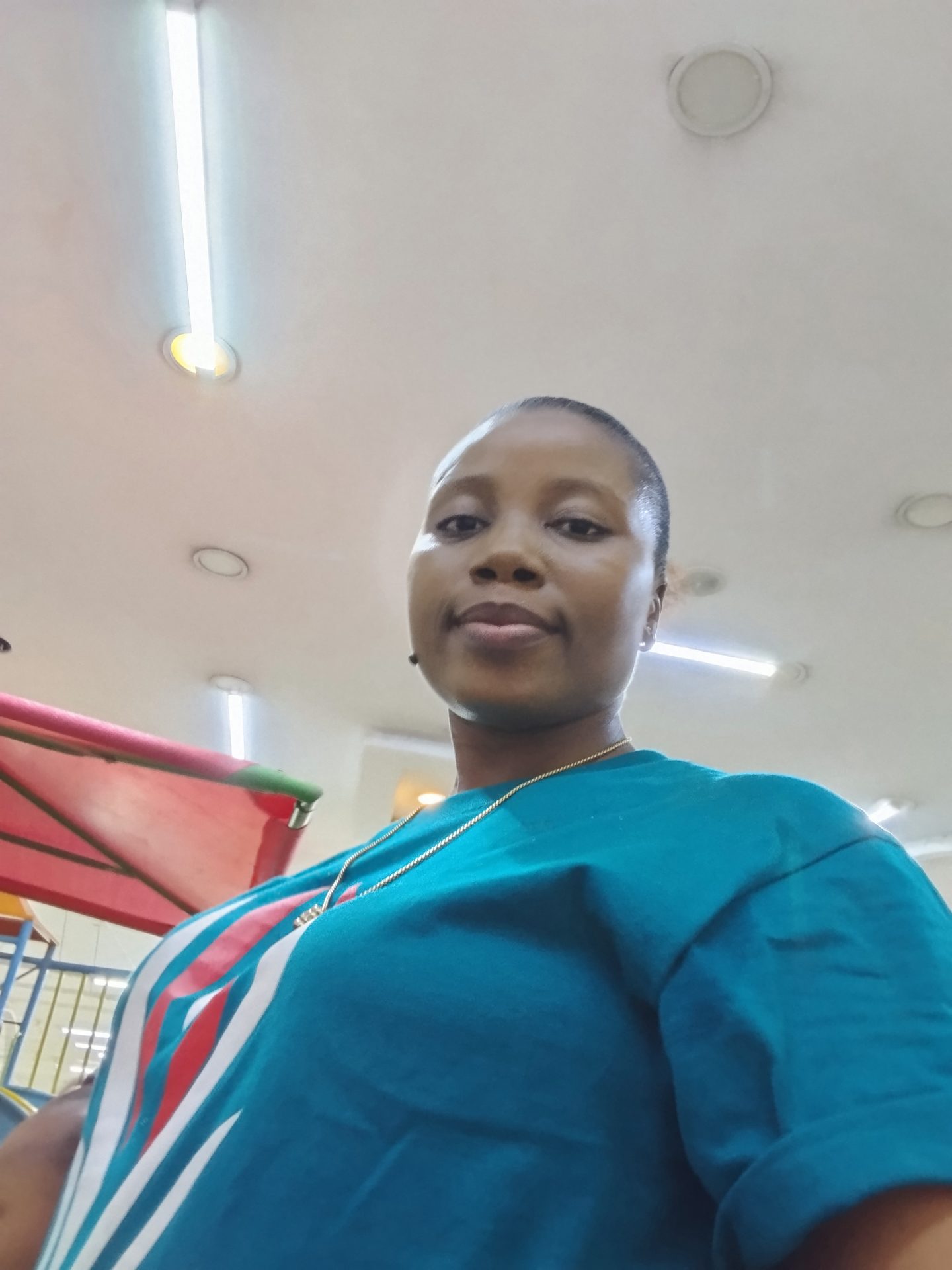
About Chinwedu
Chinwendu Peace Anyanwu (Akwugo) is a language preservation advocate, and Wikimedia contributor passionate about promoting free knowledge in digital spaces. She actively supports initiatives focused on indigenous language documentation, Women digital literacy and community engagement. She contributes to expanding access to knowledge while empowering individuals and communities to preserve and share their cultural heritage.
Improving Wikidata references: A hands-on workshop with the Reference Validator tool
This session will introduce the Wikidata Reference Validator tool, which helps identify whether references used in Wikidata items are still accessible or have gone offline. Reliable references are essential for ensuring the quality and trustworthiness of Wikidata, and this session will focus on practical ways to improve them.
Participants will learn how to:
1. Use the Reference Validator tool to check if references are active or broken
2. Understand why maintaining valid references is important for Wikidata
3. Navigate from the tool to Wikidata to fix and update references
This will be a hands-on, beginner-friendly workshop where participants can follow along, explore the tool, and work on real Wikidata items together. By the end of the session, participants will have improved references and gained confidence in maintaining data quality on Wikidata.

About the presenters
Josef Anthony is a Wikimedian focused on Wikidata, technical contributions, and community capacity building. He is the founder of the Arewa TechCom initiative and has led training sessions focused on Wikimedia tools, data quality, and underrepresented knowledge.
Nurah Wakili is an emerging Wikimedian from the Arewa Techcom community with an interest in Wikidata, Wikimedia tools, and technical skills development. She will be co-facilitating the session as part of ongoing community capacity-building efforts.
Exploring the Wikidata Toolbox
Wikidata tools are software applications and interfaces that allow users to interact with and utilise the data stored in Wikidata. Wikidata gadgets are optional user scripts that enhance the functionality and user experience. Overall, these tools and gadgets generally help to facilitate data contribution, querying, visualization and other forms of editing on Wikidata.
The session is focused on exploring the functionality and use cases of selected Wikidata tools/gadgets (about 4 – 5), with a live demo.
At the end of this session, participants will be able to:
1. Identify and understand the key features and functionality of Wikidata tools.
2. Manage and contribute to Wikidata using the explored tools.

About Chinonso
Chinonso Chidi (User:King ChristLike) is an administrator on the Igbo Wikipedia & Igbo Wiktionary, and rollbacker on Wikidata. He is a member of the Wikidata Weekly Summary Team, a technical contributor and event manager with many impactful projects. With over 200 articles created on the English Wikipedia, he has served as a jury member in several photography contests and is committed to the open knowledge movement.
Improving Wikipedia articles – Achieving ‘Featured Article’ status
The aim of this event is to guide community members through the process of enhancing Wikipedia articles to achieve Featured Article (FA) status. This session will be useful for anyone wanting to improve their Wikipedia articles.
Harry will offer personalised support to up to three community members. Those selected will receive dedicated advice tailored to their specific articles or questions, helping them progress toward FA or GA status.
To sign up for Harry’s advice, please register for the event and then email Rupal to put have your name put forward.
We will organise additional sessions if there is further demand for customised guidance on getting articles to FA or GA.

About Harry
Harry Mitchell has been editing the English Wikipedia since 2009 and has written over 40 featured articles, mostly on humanities subjects including history and architecture. He can advise on sourcing requirements, copy editing, and other factors for a successful FAC nomination.