


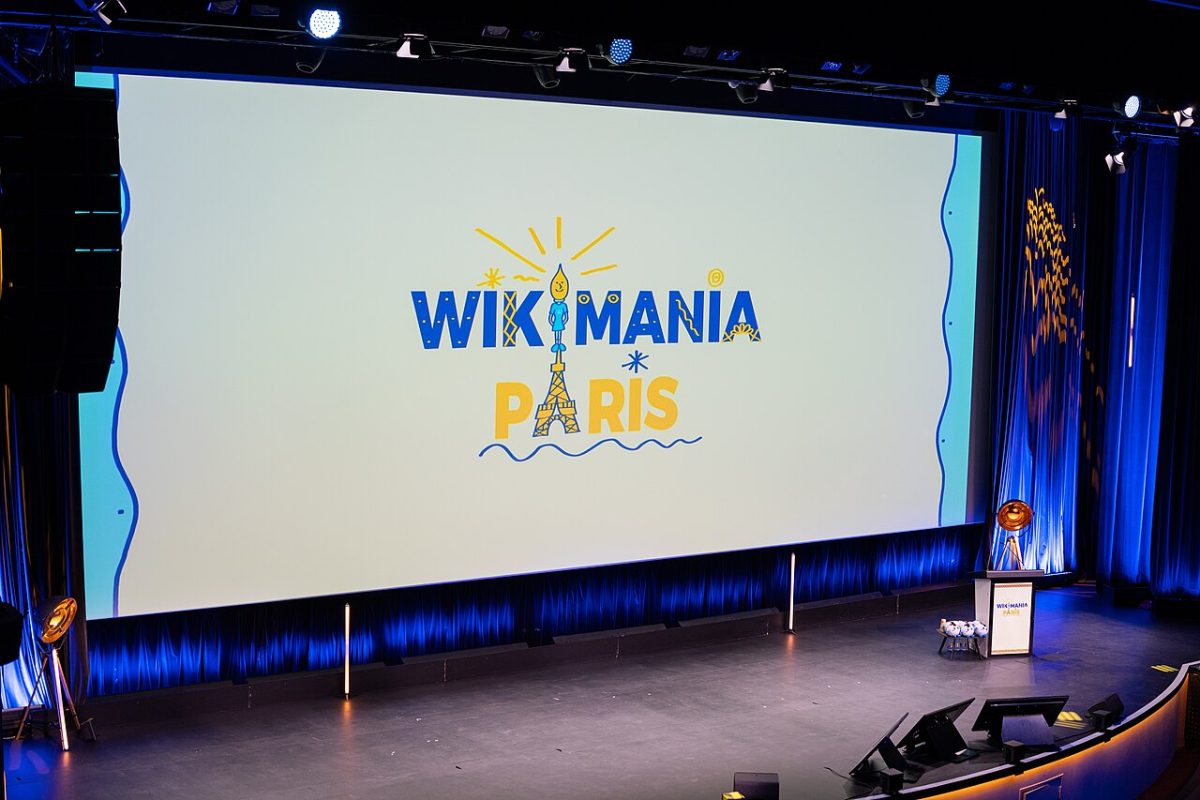
From 21–25 July 2026, Wikimedians from around the world gathered in Paris for Wikimania 2026, the annual conference celebrating the people, projects and communities behind the Wikimedia movement. This year, we supported our largest-ever contingent of staff, trustees and volunteers to attend. For some, it was their first experience while for others, it was an opportunity to reconnect with friends and partnerships built up over many years..
The theme, Liberté, Équité, Fiabilité (Freedom, Equity, Reliability) felt particularly timely. As Wikipedia celebrates its 25th anniversary, the questions facing open knowledge have rarely felt more urgent. Those big questions sat alongside something equally important: the opportunity simply to be together.
We asked some of those whose attendance we supported to share what stayed with them after Paris.
Putting faces to usernames – Lucy Hinnie (Staff)
For Lucy, one of the strongest memories was simply being together. “Seeing (almost) everyone in one room for the UK and Ireland meetup, putting faces to names, meeting new people and creating a fun space for connection.”
Other memorable moments included the Wikimedia Choir and WikiOrchestra at the closing ceremony, featuring the other Lucy, our Chief Executive and the opportunity for a group swim in the Seine, which was “beautiful, surreal and much needed in the Paris heat.”
The Internet-in-a-Box session led by Wiki Project Med also left a lasting impression. The project helps bring offline access to digital resources, including Wikipedia, to communities and classrooms where reliable internet connectivity can be difficult.
But Lucy’s biggest takeaway was closer to home. “There’s a thriving community and an excellent support network here in the UK and Ireland, and we’re all looking for the same thing, to share in the movement together and do the best work we can to make knowledge accessible and open.”
“The barrier isn’t editing. It’s joining the community.” – Sara Thomas (Staff)
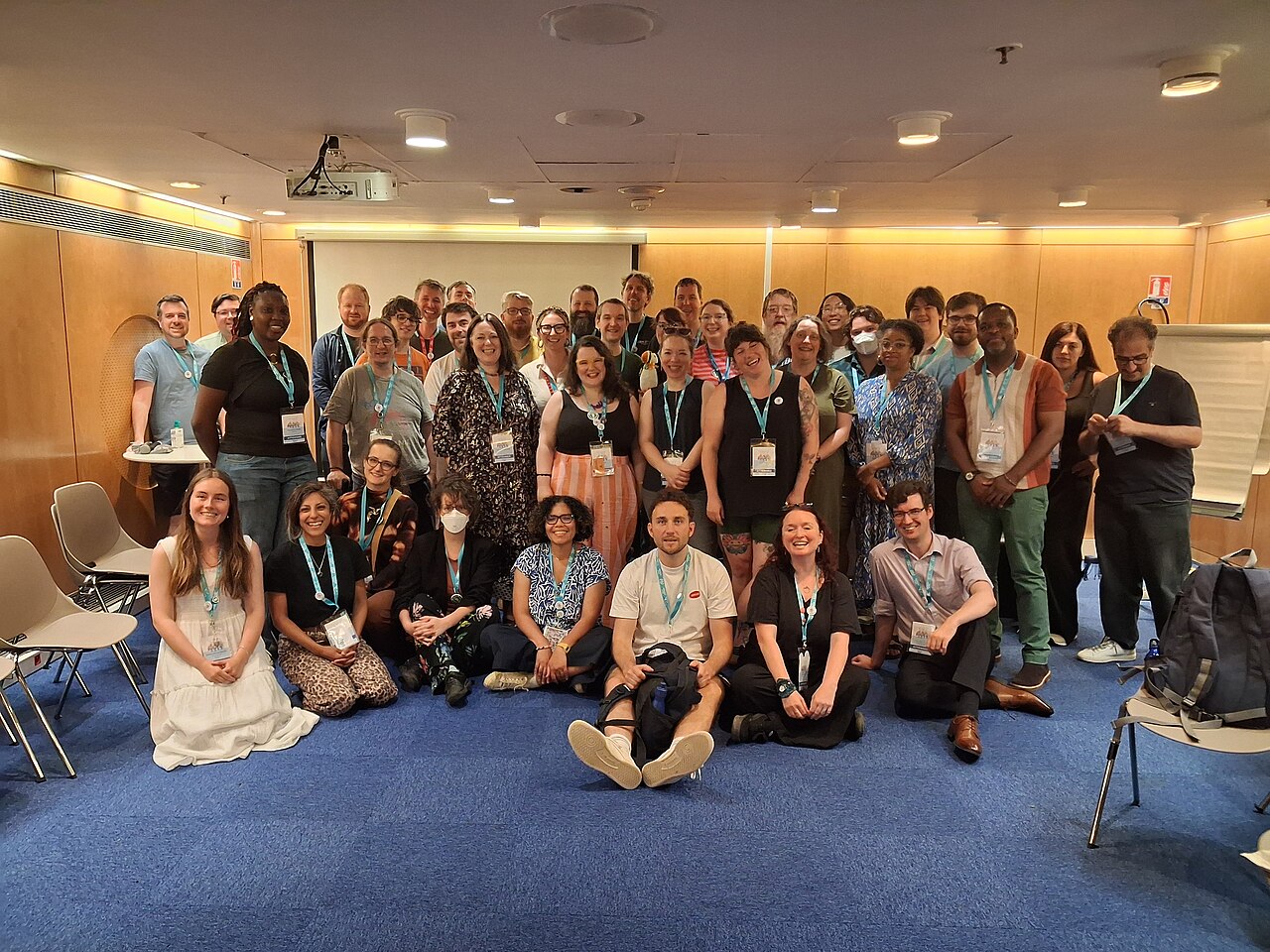
As an editor, Sara got to witness a little piece of Wikimedia history, user:PMG making their 10 millionth edit live during a session. Wikimania also provided an opportunity to discover new gadgets and tools, some of which will now make their way into the resources we suggest to people interested in contributing to Wikimedia projects.
Sara was able to attend Wikimania through her work as co-lead of the Volunteer Supporters Network (VSN) hub pilot. So her personal objectives were linked to supporting volunteers, learning from others doing similar work across the movement and identifying ideas that could be applied to work in the UK.
One session in particular, led by Merle and Martin Rulsch from Wikimedia Deutschland, has continued to resonate: “The barrier isn’t editing. It’s joining the community.” It’s an important distinction. Teaching someone the mechanics of making an edit is one thing; helping them feel part of a community, confident enough to participate and supported enough to remain involved is something else entirely.
Sara said: “I also had several excellent conversations with members of the UK community which are percolating, and will influence my work over the next year.”
Preserving languages because they matter – Martin Poulter (Volunteer)
Questions of whose knowledge is recorded, and who gets to decide how, stood out for Martin. One particular session brought together people working to preserve Māori, Mapudungún and Atikamekw languages, representing Indigenous communities across three different continents. “Each project is being led by the Indigenous communities themselves, making use of Wiktionary, Wikidata and other platforms provided freely by Wikimedia.”
For Martin, who works to promote cultural diversity on Wikipedia, the session highlighted something distinctive about Wikimedia’s model. “The ethos of involving and respecting all cultures, not just with platitudes but with action, pervaded the conference.”
It also prompted a wider question about the infrastructure on which cultural knowledge is preserved. “Would the for-profit tech giants preserve the diversity of the world’s languages, even languages spoken by a small community? There’s no money to be made from this, and no reason the records of an Indigenous culture should be the property of some Western corporation.”
In a conference shaped by conversations about the future of the internet, it was a powerful reminder that an open knowledge ecosystem is not only about making existing information accessible. It can also create infrastructure through which communities preserve and share knowledge on their own terms.
Seeing the scale of the movement – George Colburn (Staff)
For George, his first Wikimania transformed relationships that until then had existed mainly through video calls.
“My personal highlight of Wikimania was meeting members of other Wikimedia chapters who I had previously only ever known through Zoom calls! As it was my first Wikimania, it was incredible to be surrounded by so many passionate people from across the movement, all working towards the same goal.”
“Speaking with other fundraisers made me realise how much the perception of Wikimedia has changed for the better in recent years. As new technologies and online challenges emerge, Wikimedia is increasingly seen as a cornerstone of open, democratic and trustworthy knowledge.”
Hearing similar observations from fundraisers elsewhere in the movement was inspirational but above all, Paris revealed the full scale of the movement for George.
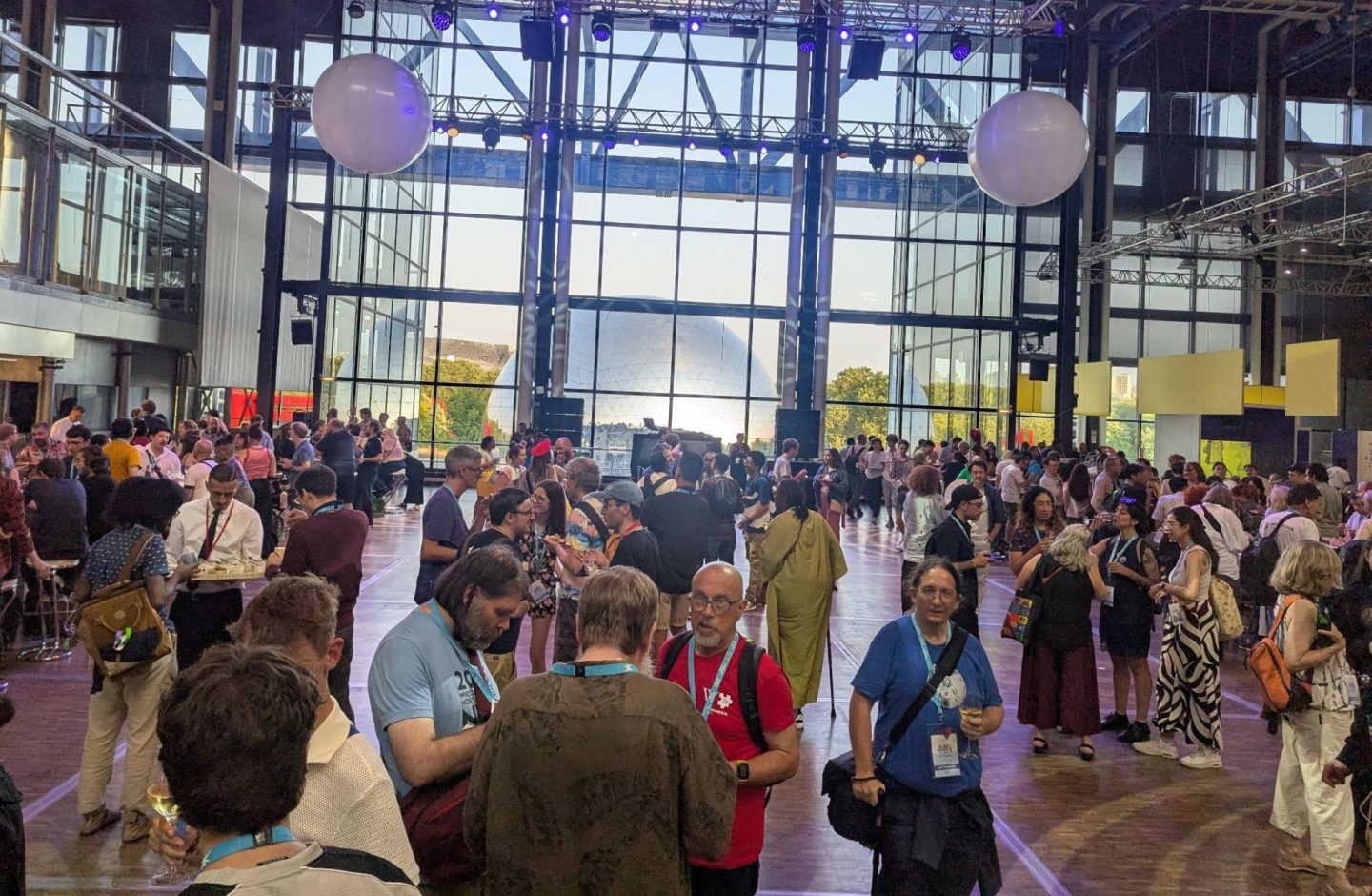
“There are so many people involved, from so many different countries and backgrounds, and the passion and commitment across the community is remarkable. It was a great reminder that Wikimedia UK is part of something much bigger.”
A first Wikimania, and a love of editing – Joanna Baines (Volunteer)
This was Joanna’s first Wikimania experience and it had an immediate impact. “It was honestly life-changing to spend so much time with the wonderful Wiki community. This has been the highlight of my year!”
She enjoyed discovering just how creative people across the movement are. Finding the Wikimedia LGBT+ community was a particular highlight, alongside witnessing projects like Wiki games, Tamsin Braisher’s guide to Wikifying a conference, Daria’s work on the information literacy skills of conspiracy theorists, Sara’s Navigating Challenging Topics, and resources supporting people editing LGBT+ biographies on Wikipedia.
But perhaps the best indication of Wikimania 2026’s impact came after returning home.
“The main thing I’ve brought back from Wikimania is an increased love of editing, I’m already doing so much more after hours, sorry cosy Switch games, and the biggest smile.”
“I’m also telling everyone who mentions Wiki that if they love it, donate to us, and visit our sites rather than using LLMs!”
A positive use for AI, renewed hope and Parisian castles! – Richard Nevell (Staff)
Richard has been involved in the Wikimedia movement for 20 years, but Paris was only his third Wikimania. Even after two decades, one thing has not changed for him: “Nothing beats meeting people you’ve been working with for years.”
Enthusiastic about the possibilities of technology but without ignoring the challenges it creates, Richard describes himself as a “techno-realist”. Unsurprisingly, AI was high on his agenda. “AI is a significant challenge to our digital world, and I hope that Wikipedia can be a bastion of knowledge in an age where it’s easy to be overwhelmed by junk.”
One of the first sessions he attended offered a glimpse of how AI might also be put to constructive use. Internet Archive Europe and Erasmus.AI are developing a tool designed to help Wikipedia editors investigate unsourced claims. An editor can submit a passage, and the tool searches a vast collection of academic material for sources that might support or contradict it. This represented, for Richard, the kind of relationship between AI and Wikipedia that’s worth exploring – technology assisting human judgement rather than attempting to replace it.
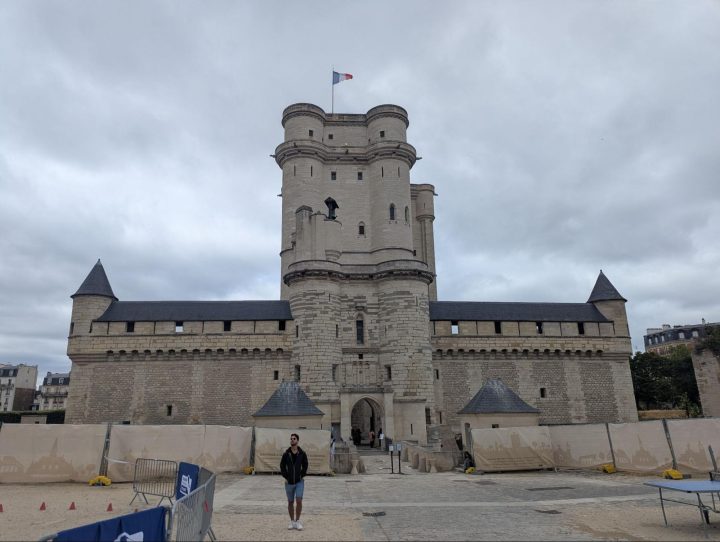
His biggest takeaway from Paris was succinct:“The most valuable thing I’ve brought back from Wikimania is renewed hope.” And, because every Wikimania experience needs a little room for personal interests: “I did also find time to visit a castle!”
Beyond Wikimania Paris
There’s no single Wikimania experience. For some, Paris was about discovering a project or practical tool they can use in their work. For others, it prompted bigger questions about AI, cultural sovereignty, community-building, language preservation and who controls the infrastructure of knowledge.
And for many, the most important moments were intensely human: finally meeting a long-time collaborator face to face; discovering a community they didn’t know existed; sharing ideas over a meal; singing in an orchestra; or even swimming together in the Seine.
What connects these reflections is a renewed sense of belonging and possibility.
Wikipedia’s 25th anniversary is an opportunity to celebrate an extraordinary achievement, but Wikimania Paris was also a reminder that free knowledge is not something we can take for granted. It depends on people: people willing to contribute, question, verify, translate, preserve, welcome newcomers and build communities around a belief that knowledge should be available to everyone. We came back from Paris with new ideas, new relationships and plenty to think about. But perhaps the most valuable thing we brought home was the reminder that none of us is doing this work alone.
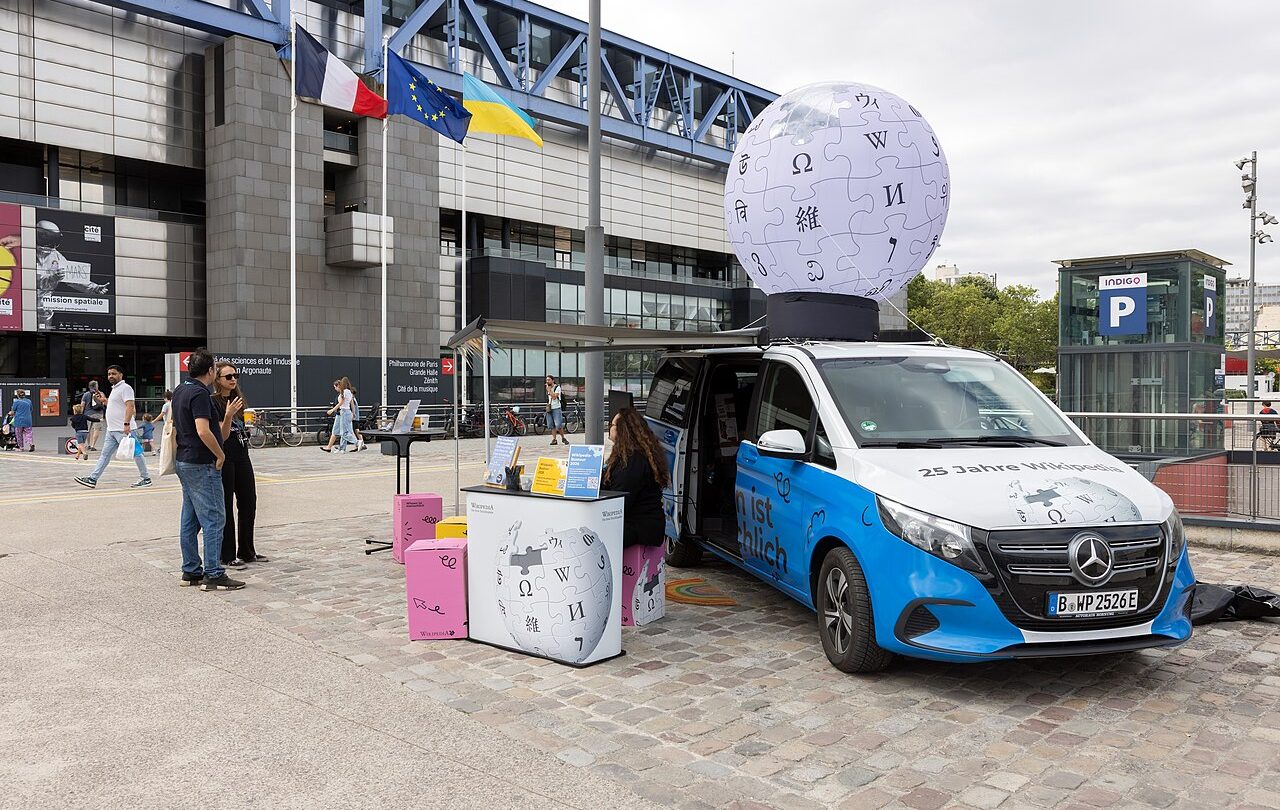
If these reflections have inspired you, you can help us continue supporting the people, communities and projects that keep free knowledge open and accessible to all. Please consider making a donation to Wikimedia UK and help sustain this vital work