






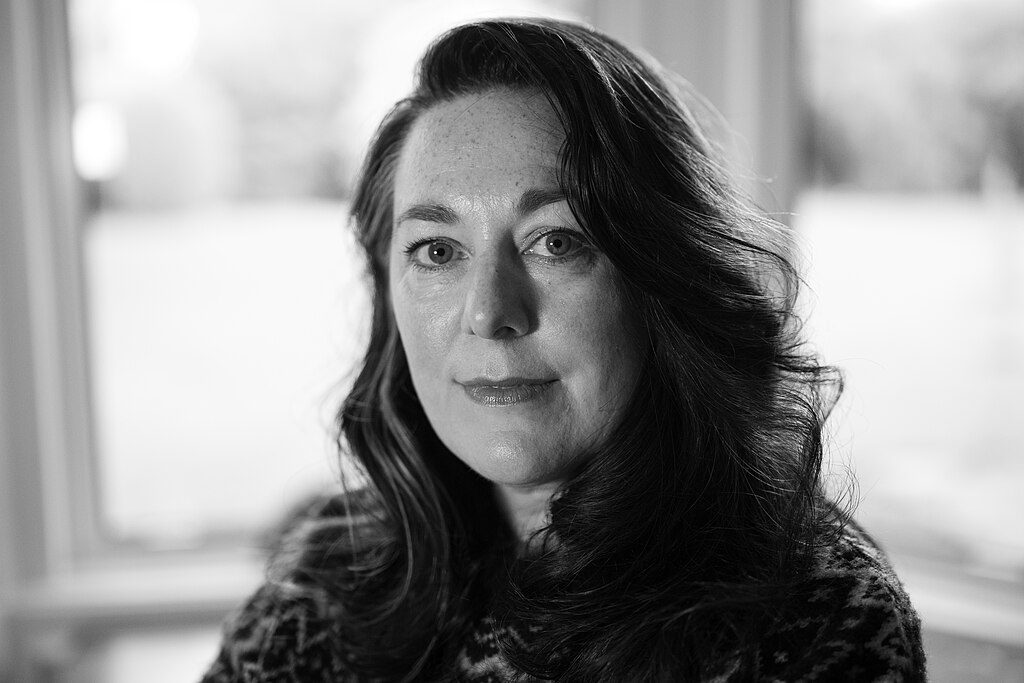
By Wikimedia UK Chief Executive, Lucy Crompton-Reid |
As Christmas bells ring out and 2025 draws to a close, I wanted to share one highlight from Wikimedia UK’s work in each month of the year. Of course, these moments are only a small snapshot of the projects, events, activities and partnership programmes delivered or supported by Wikimedia UK in 2025.
My sincere thanks go to our staff team, Wikimedians in Residence, partner organisations, and our extended network of volunteers across the UK, who work so hard to help ensure open knowledge for all.
January
At the start of the year, we celebrated ten years of collaboration with the National Library of Wales. Over the decade, this partnership has supported the creation of thousands of articles on Welsh Wikipedia, and the release of more than 150,000 images to Wikimedia Commons, images that have gone on to receive over 1.5 billion views.
Jason Evans has been at the heart of this work throughout, initially appointed as a Wikipedian in Residence and now Open Data Manager with a focus on Wikimedia collaboration. Jason reflects on the partnership in this blog post, underlining that while his role and portfolio have evolved, the core principles of openness, engagement and innovation have remained unchanged.
February
In February, we launched Mini Wiki, an initiative designed to help people with limited spare time make meaningful contributions to open knowledge. We kicked off with a focus on translation and folklore, tying into International Mother Tongue Day and the annual Wiki Loves Folklore campaign. Throughout 2025 we showcased a range of mini wiki tasks, encouraging the use of the hashtag #wmuk in edit summaries so we can track impact.
Looking ahead, watch out for our Birthday Gifts campaign in 2026 as we encourage our editing community to pledge gifts through contributions to the Wikimedia projects as part of Wikipedia’s 25th birthday anniversary celebrations.
March
Women are for life, not just for March. But with International Women’s Day (8 March) and Women’s History Month, March is often a focal point for initiatives that shine a light on women’s contributions and achievements, historically and in the present day. This year, Perth Women on Wikipedia celebrated by researching and sharing the stories of remarkable women from Perth’s history, as part of an ongoing partnership with Wikimedia UK and local library services.
April
In April, we launched Community Sandbox Sessions, with a call for contributions from our volunteer community. Since then, a number of highly successful sessions have taken place, covering topics including:
- editing controversial topics (led by Dr Femke Nijsse)
- creating missing Wikidata items from Wikipedia using the Duplicity tool (led by Josef Anthony)
- where, how and why to add smell-related content across the Wikimedia projects (led by Dr Lucy Moore)
- a Wikisource transcribe-a-thon (led by Dr Martin Poulter)
Our next and final Sandbox Session is on 25 January 2026. Led by experienced English Wikipedia admin Harry Mitchell, the session focusses on being an admin, what that involves, the process for becoming one, levels of commitment expected, and associated challenges etc.
May
Spring typically comes late to Scotland, where I live but by May, it was in full swing, not just here but also in mainland Europe, where I was fortunate to travel several times this year.
First, I represented the UK chapter at Wikimedia Europe’s General Assembly in Prague, where affiliates from across Europe gathered to vote on trustees and resolutions and, just as importantly, to connect and share practice, ideas and approaches to community development and partnership working.
Not long after, I was in Berlin for a three-day workshop with representatives from ten other affiliates, working together to develop future plans and a joint funding proposal for the Content Partnerships Hub. I’m pleased to say the proposal was successful, and work is now beginning on implementation for this international resource and Wikimedia hub.
June
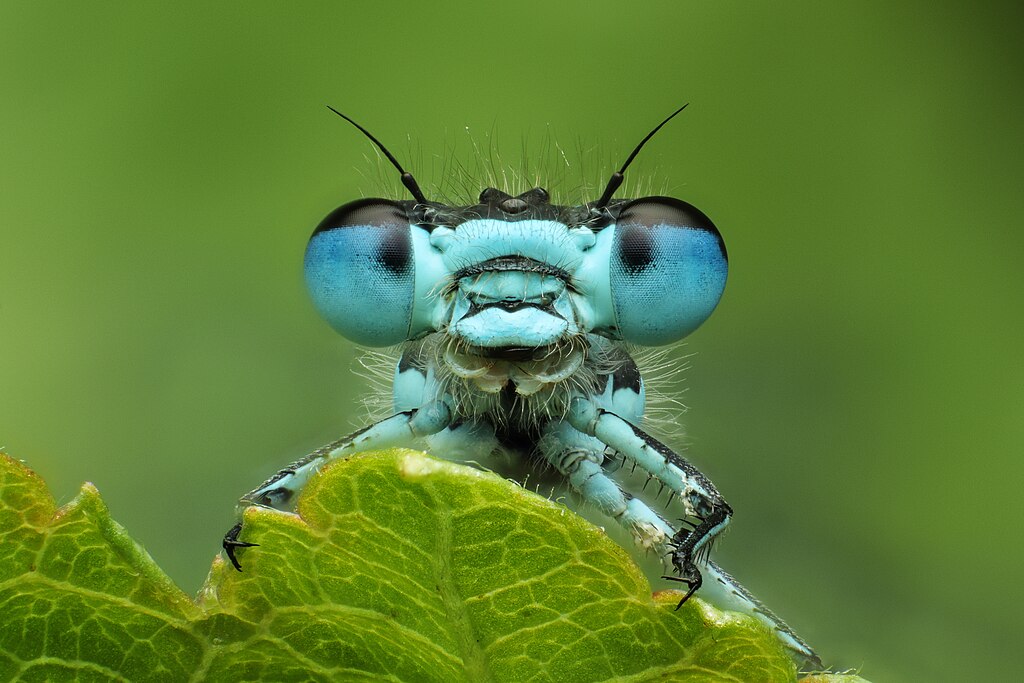
June saw the launch of Wiki Loves Earth 2025, the global photography competition showcasing protected areas and natural landscapes around the world. This year, England participated alongside Wales and Scotland for the first time and I’m delighted to share that three photos from England placed in the international top 20, announced this December.
You can see the local winning images, including those from the UK, on Wikimedia Commons.
July
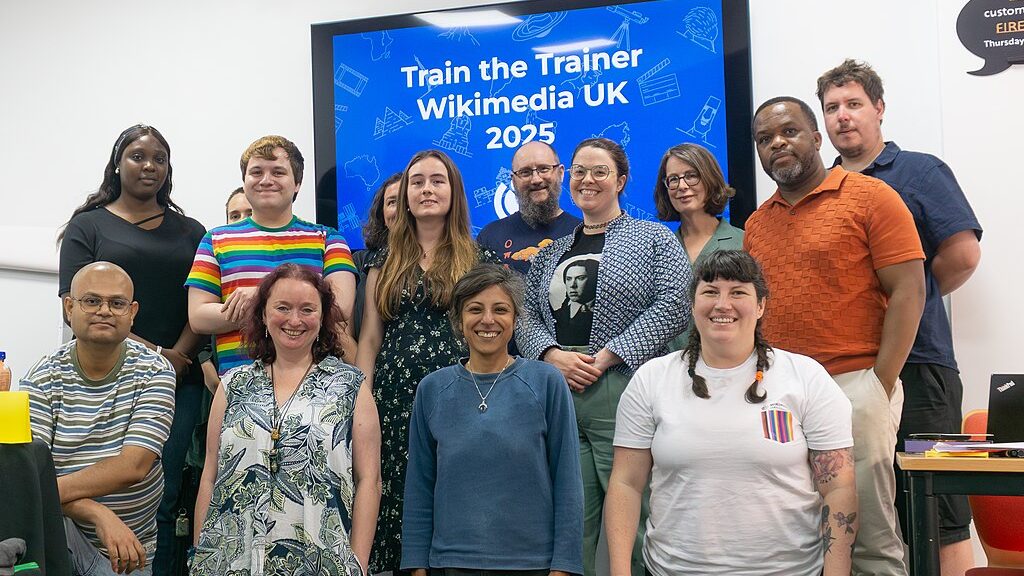
Wikimedia UK’s flagship Train the Trainer course returned in summer 2025, bringing together volunteers from across the UK and around the world to build the skills and confidence needed to run Wikipedia editing events in their own communities.
Designed to strengthen both delivery and diversity, this year’s programme welcomed 23 participants from eight countries, taking part in person and online.
You can read the full report where participants reported feeling better equipped to make positive change in their communities as a result of the course.
August
In August, I felt incredibly privileged to attend Wikimania in Nairobi, Kenya. This annual conference brings together nearly a thousand Wikimedians for workshops, lightning talks, keynotes, panels, social events and more. It’s a wonderful opportunity to meet fellow open knowledge advocates from around the world.
Even after a decade in my role, I come away from Wikimania every year having learned more about this extraordinary movement. This year, I also attended the first in-person meetings of the new interim Global Resources Distribution Committee, of which I am one of three affiliate representatives, and I sang with the Wiki Choir for the first time, performing in Swahili at the closing ceremony.
September
In September we published our latest Strategic Report, and held our Annual General Meeting, where Adrian Beidas, Douglas Scott and Ian Watt were elected to the board.
Following an external recruitment process, we also announced Wikimedia UK’s new Chair of Trustees, Lucy Yu, and welcomed former philosophy teacher Dr Sally Latham to the staff team in the newly created role of Education Lead. Sally is charged with driving forward our programme in secondary schools, and is already accelerating our work and relationships in this area.
October
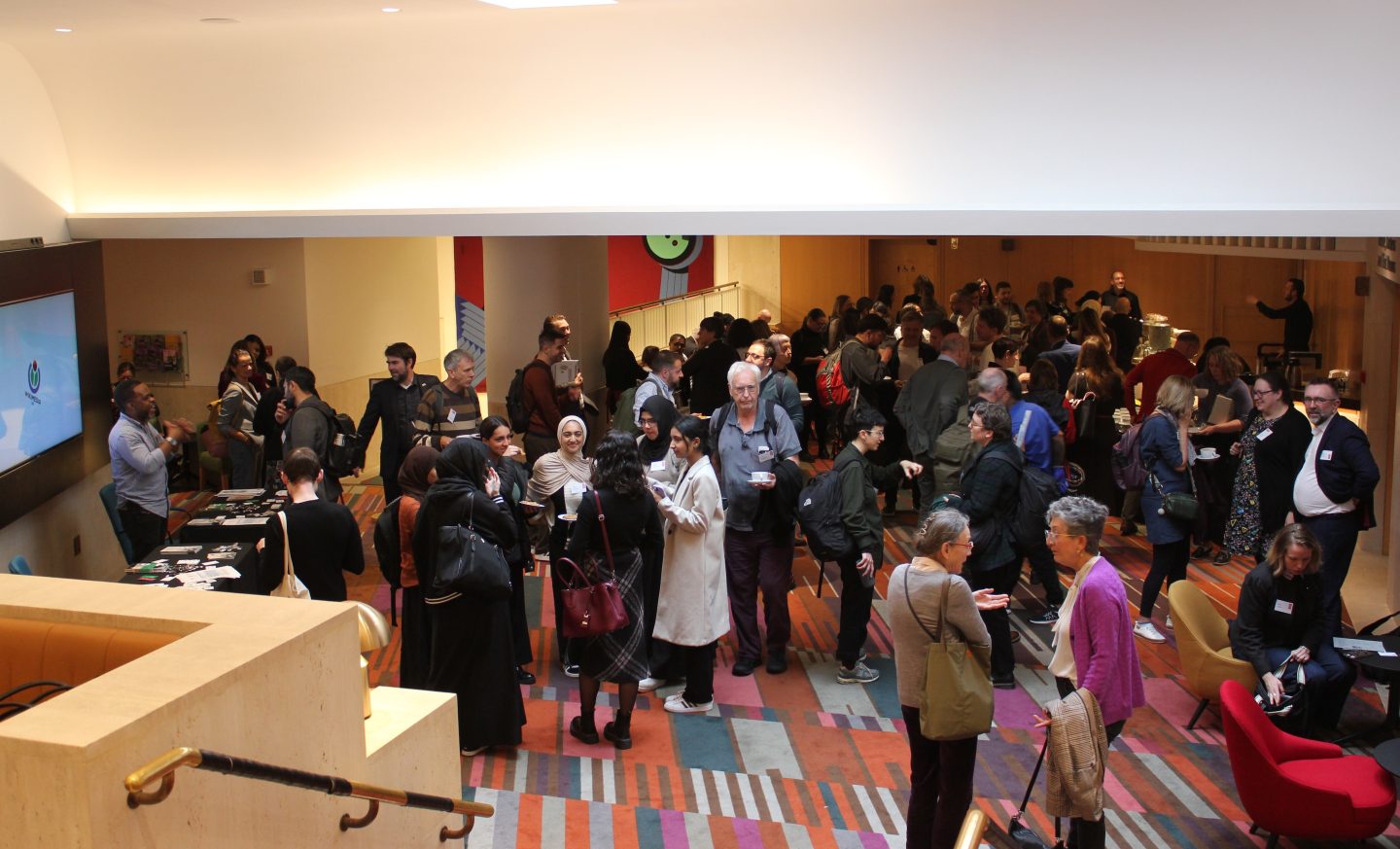
On 20 October, Wikimedia UK joined forces with the Wikimedia Foundation and the British Library to explore the impact of AI on open knowledge and the wider information landscape. This day-long summit brought together experts and practitioners to discuss the threats and opportunities at the intersection of AI, open knowledge and human rights.
With 150 participants from across the open, policy, culture, higher education and technology sectors, the Knowledge is Human summit asked how we can ensure machine learning supports human learning, and how we build sustainability and information integrity into new models of content creation.
November
We held our annual online Community Celebration, bringing together staff and volunteers in what was an uplifting event highlighting the ongoing, sometimes painstaking, but always meaningful, contributions of individuals and partner organisations.
We also announced the winners of the UK Wikimedian of the Year Awards 2025. The UK Wikimedian of the Year was jointly awarded to longstanding contributor Andy Mabbett and community leader Jo Baines, Partnership of the Year went to the Khalili Foundation, and librarian Colette Townend received the Up and Coming Wikimedian award.
Congratulations, and heartfelt thanks, to all winners and nominees!
December
While much of our chapter’s work is focused on the UK, as one of the larger Wikimedia affiliates we also have an important role to play in the wider international ecosystem, supporting the Wikimedia 2030 strategy through collaboration, leadership and innovation.
As part of this commitment, I regularly attend online meetings of the Executive Directors group, and was pleased to join an in-person ED retreat in São Paulo, Brazil, in early December. Over three days, I gave presentations on Wikimedia UK’s work on indigenous languages and climate information, co-presented a lightning talk on the Volunteer Supporters’ Network (which Wikimedia UK jointly manages with Wikimedia Argentina), and contributed to in-depth discussions about affiliate governance, community development, and external trends, including changing patterns of engagement with Wikimedia and information more broadly.
I also took the opportunity to spend a few days travelling along Brazil’s Costa Verde, accompanied by a talented local photographer and Wikimedia contributor.
This experience, along with many others across the year, was a powerful reminder that a commitment to open knowledge crosses borders and backgrounds. It’s also how the Wikimedia movement has grown and thrived over the past 25 years. I hope you’ll join me in celebrating this big birthday in 2026, and continue to support open knowledge in your own way, whether as a contributor, donor, partner, or reader.
Wishing you a peaceful festive season and a hopeful new year!